

Beginner’s Guide to Building a Simple Skincare Routine
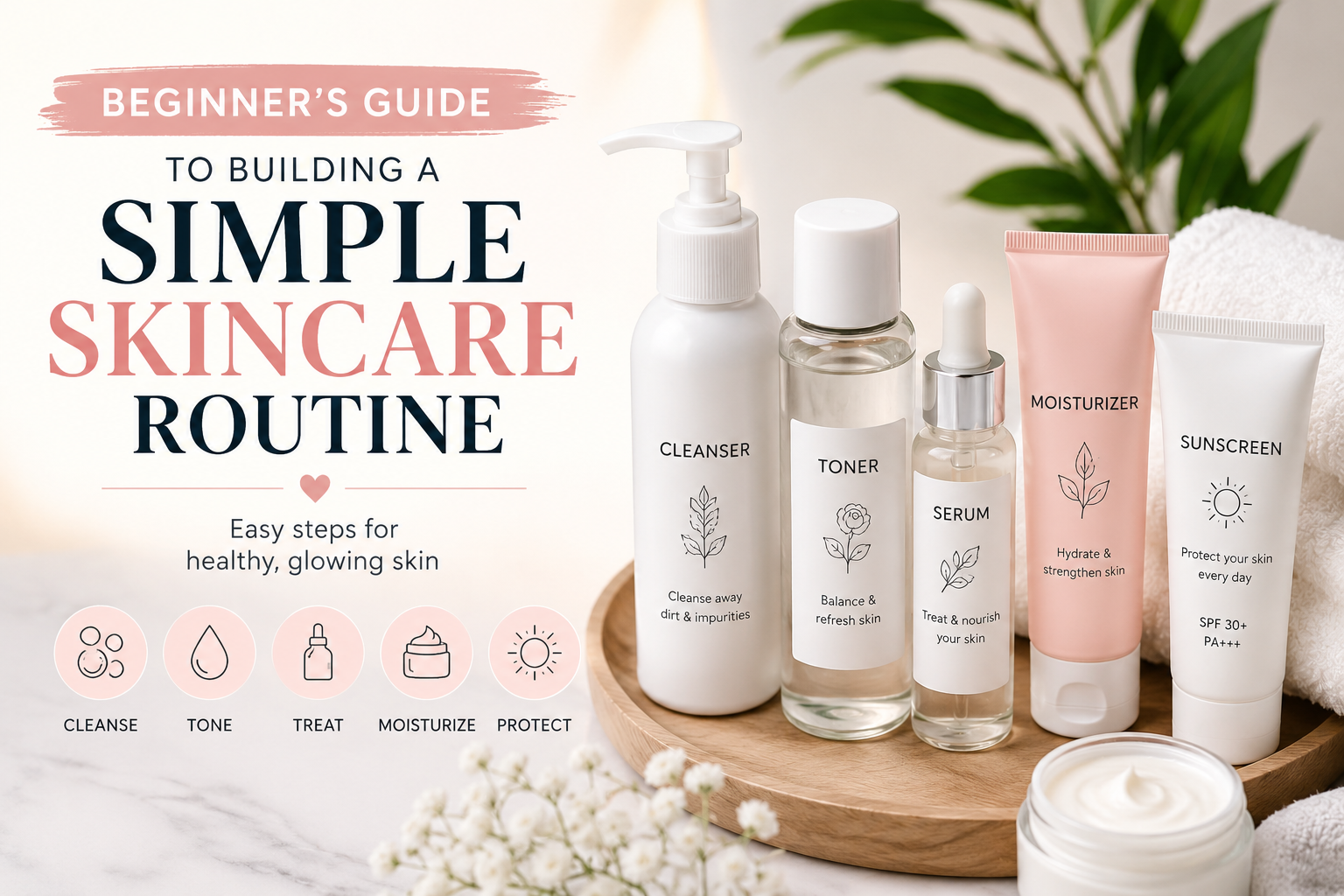
Beginner's Guide to Building a Simple Skincare Routine
Skincare Basics | May 21, 2026 | 8 min read
A Beginner's Guide to Building a Simple Skincare Routine
You don't need a 12-step regimen or a shelf full of expensive products. Here's how to actually get started.
If the beauty aisle has ever made you feel like you need a chemistry degree just to wash your face, you're not alone. The truth is, a good skincare routine doesn't have to be complicated. Three to four products done consistently will always beat a ten-step routine done half the time.
Skincare can feel overwhelming when you're just starting out. There are hundreds of products screaming for your attention, influencers swearing by their elaborate routines, and ingredients you can barely pronounce. But here's the thing: your skin doesn't need all of that. What it needs is consistency, gentleness, and a few well-chosen products that actually work for your skin type.
This guide walks you through everything you need to know to get started, without any of the noise.
First Things First: Know Your Skin Type
Before you buy a single product, it helps to understand what kind of skin you have. Using the wrong products for your skin type is one of the most common reasons routines don't work. Here's a quick breakdown:
- Dry Skin: Feels tight, looks flaky or dull, especially after cleansing.
- Oily Skin: Shiny by midday, enlarged pores, prone to breakouts.
- Combination Skin: Oily in the T-zone but dry or normal on the cheeks.
- Sensitive Skin: Reacts easily to products, gets red or irritated quickly.
- Normal Skin: Balanced, neither too oily nor too dry, with few concerns.
Quick Tip: Try the bare-face test. Wash your face, pat it dry, and wait an hour without applying anything. Check how your skin feels. Tight and uncomfortable? You're likely dry. Noticeably shiny? Probably oily. Both? You're combination.
The Core Routine: 3 Steps That Actually Matter
You can build a beautiful, effective routine around just three products. Everything else is bonus. Here's what your foundation should look like:
Step 1: Cleanser — Start with a Clean Slate
Cleansing removes dirt, excess oil, and environmental buildup from your skin. It's the most important step because every product you apply after it works better on clean skin.
For beginners, a gentle, fragrance-free cleanser is the safest starting point. Avoid anything that strips your skin and leaves it feeling tight. That squeaky-clean feeling is actually a warning sign, not a good thing.
- Dry or sensitive skin: Cream or milk cleansers
- Oily or combination skin: Foaming gel cleansers with salicylic acid
- Normal skin: Gentle gel or lotion cleansers
Pro Tip: You only need to cleanse once a day, at night. In the morning, a simple rinse with water is enough for most people. Over-cleansing can damage your skin barrier.

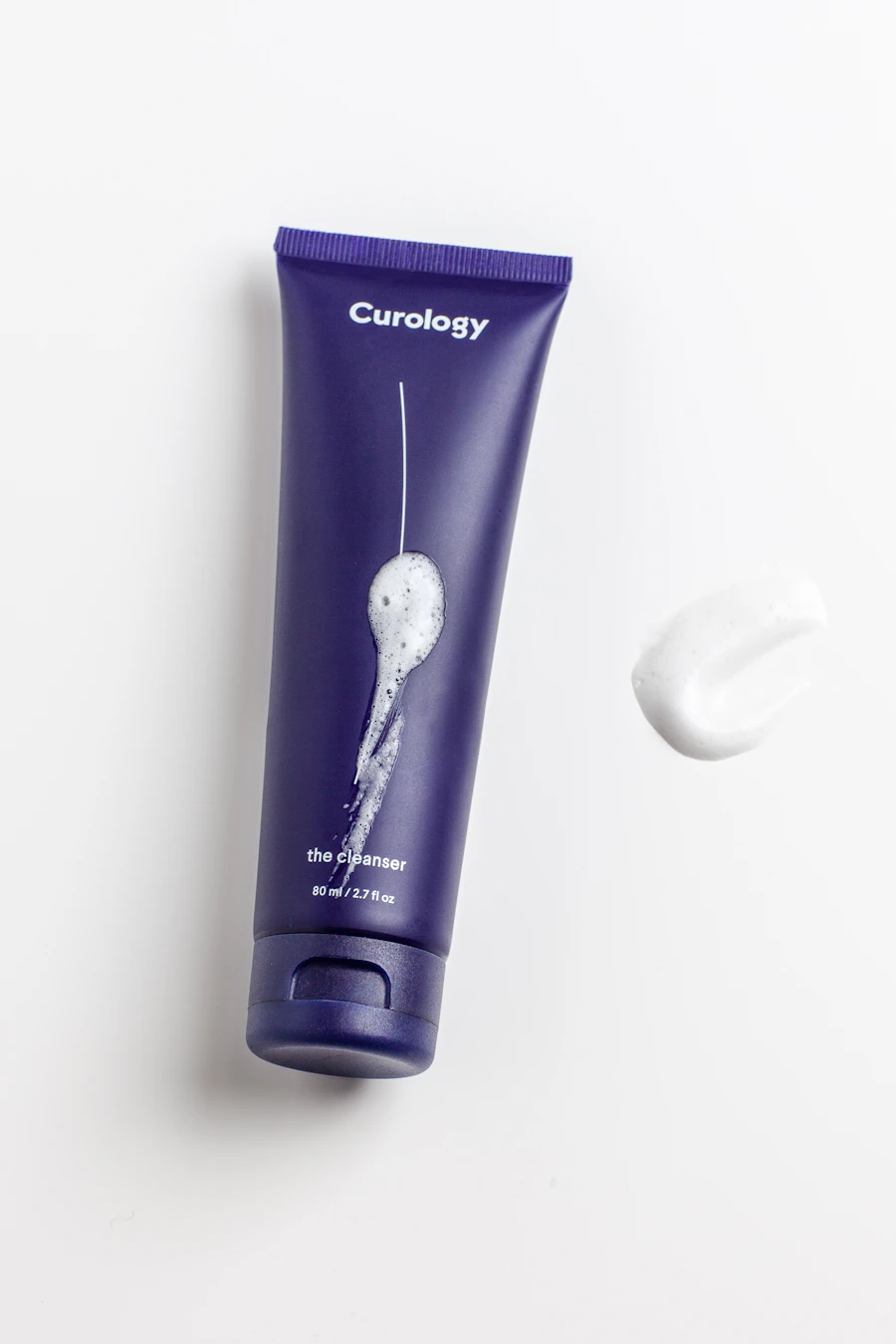
A gentle cleanser is the foundation of any good skincare routine.
Step 2: Moisturizer — Your Skin's Best Friend
Every skin type needs a moisturizer, yes, even oily skin. When your skin is dehydrated, it actually produces more oil to compensate, which can make breakouts worse. A good moisturizer keeps your skin barrier strong and your complexion balanced.
Apply it while your skin is still slightly damp after cleansing to lock in extra hydration.
- Dry skin: Rich creams with ingredients like shea butter, hyaluronic acid, or ceramides
- Oily skin: Lightweight, oil-free gel moisturizers
- Sensitive skin: Fragrance-free, hypoallergenic formulas with soothing ingredients like aloe or niacinamide
- Normal skin: A balanced lotion works perfectly
Step 3: Sunscreen — The One Product You Should Never Skip
If you only add one product to your routine, make it sunscreen. UV exposure is the single biggest cause of premature aging, hyperpigmentation, and skin damage. You need it every single day, rain or shine, even when you're mostly indoors.
SPF 30 is the minimum. SPF 50 is better. Look for a formula labeled "broad spectrum" to protect against both UVA and UVB rays.
- Oily or acne-prone skin: Lightweight gel or fluid sunscreens
- Dry skin: Sunscreens with added moisturizing ingredients
- Dark skin tones: Look for chemical filters to avoid white cast
- Sensitive skin: Mineral sunscreens with zinc oxide or titanium dioxide
Important: Apply sunscreen as the very last step of your morning routine, after moisturizer. Use about a nickel-sized amount for your face alone, and don't forget your neck and the tops of your ears.
Morning vs Night: Does It Actually Matter?
Yes, and it's simpler than you think. Your morning routine is about protection. Your night routine is about repair and recovery. Here's a quick reference:
| Step | Morning | Evening |
|---|---|---|
| Cleanse | Optional rinse with water | Full cleanse to remove the day |
| Serum | Vitamin C (antioxidant protection) | Retinol or niacinamide (repair) |
| Moisturize | Lightweight moisturizer | Richer cream if needed |
| Sunscreen | SPF 30 or higher (always) | Not needed |
Once You've Got the Basics Down: Adding a Serum
Serums are concentrated treatments that target specific concerns like dullness, dark spots, acne, or fine lines. They're not required when you're just starting out, but they're a great next step once your basic routine feels comfortable.
Vitamin C Serum for Brightening
Vitamin C is a powerful antioxidant that helps fade dark spots, even out skin tone, and protect against free radical damage. Apply it in the morning after cleansing and before moisturizer. It pairs beautifully with sunscreen.
Hyaluronic Acid for Hydration
If your skin feels perpetually dry no matter how much you moisturize, hyaluronic acid can be a game changer. It draws moisture from the environment into your skin and holds it there. Apply it to damp skin for the best results.
Niacinamide for Pores and Oil Control
Niacinamide is one of the most well-tolerated and versatile skincare ingredients out there. It helps regulate oil production, minimizes the appearance of pores, calms redness, and strengthens the skin barrier. Almost every skin type can use it.
"Skincare is not about achieving perfection. It is about showing up for your skin every day with a little bit of kindness and consistency."
What to Do and What to Avoid as a Beginner
Things to Do
- Patch test new products on your inner arm first
- Introduce one new product at a time
- Give products at least 4 to 6 weeks to show results
- Keep your routine simple and sustainable
- Drink water and sleep well. Skincare starts from within
- Always apply SPF in the morning, even in winter
Things to Avoid
- Don't try 10 new products at once
- Don't scrub your face aggressively
- Don't skip moisturizer just because you have oily skin
- Don't pop pimples. It leads to scarring
- Don't use body lotion on your face
- Don't use hot water to wash your face

An organized, simple skincare shelf is all you really need.
Common Beginner Mistakes and How to Avoid Them
Expecting Results Overnight
This is probably the most common frustration beginners face. Most skincare products need consistent use for at least four to six weeks before you'll notice a visible difference. Your skin has a natural renewal cycle of about 28 days, so anything that works with that cycle takes time. Be patient. Consistency is more powerful than any single ingredient.
Using Too Many Active Ingredients at Once
Actives like retinol, AHAs, BHAs, and vitamin C are powerful, but layering too many of them at once can cause irritation, redness, and breakouts. When you're just starting out, pick one and use it consistently before adding another.
Changing Products Too Frequently
If something seems to not be working after two weeks, it's tempting to switch. But most gentle products take longer than that to show results. Unless you're experiencing a reaction, give it a full month before deciding it isn't right for you.
Following Routines That Were Made for Someone Else
What works for your favorite influencer may not work for you. Everyone's skin is different. Age, hormones, climate, diet, stress, and genetics all play a role. Treat your routine as an experiment of one, and focus on how your skin feels and looks rather than following a formula blindly.
Building a Routine on Any Budget
You genuinely don't need to spend a lot of money on skincare. Some of the most consistently praised products by dermatologists and skincare enthusiasts alike cost less than fifteen dollars. What matters far more than price is ingredients, formulation, and how a product suits your specific skin.
Drugstore staples from brands that have been around for decades often outperform expensive luxury options. Spend more on sunscreen if you want, since you use it every day and high formulations do matter. But your cleanser and moisturizer? You can absolutely go budget-friendly and still get great results.
Budget Tip: Start with the basics from a drugstore brand. Once your skin is stable and you understand what it likes and dislikes, then consider investing in targeted treatments for specific concerns. Build the base first.
Your Skin, Your Routine
Building a skincare routine is one of the kindest things you can do for yourself. It doesn't have to be complicated, expensive, or time-consuming. Clean your face, moisturize it, and protect it from the sun. Do that every day, and your skin will thank you.
As you get more comfortable, you can experiment and add things in. But the three-step foundation is where everyone should start, and honestly, where most people should stay. Simple works. Consistent works even better.